
Foods Not to Freeze – And Better Alternatives
Foods That Don’t Freeze Well — And What to Freeze Instead
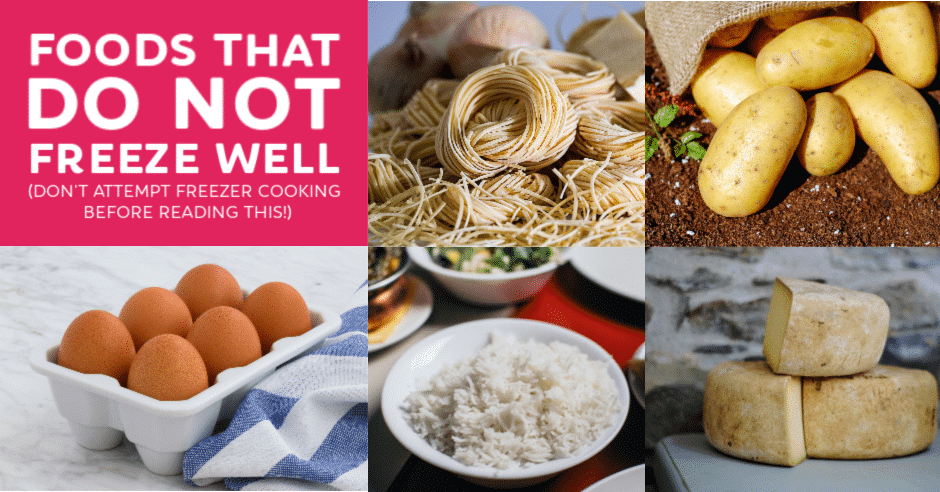
Which Foods Lose Quality When Frozen?
Not every recipe works as a freezer meal, and not every ingredient survives the freezing process unchanged. When food freezes, water inside it expands and forms ice crystals that can rupture cell walls — causing texture changes, flavor loss, and separation that happen even if everything thaws perfectly.
I’ve spent years building freezer meals for my family, and I’ve learned (sometimes the hard way) which ingredients hold up beautifully frozen and which ones turn into a disappointing mess. This comprehensive guide now covers 20 foods that don’t freeze well — from pantry staples to fresh produce — why they fail, and what to do instead. According to the USDA, understanding these limitations is key to successful freezer meal planning and preventing waste.
Starches & Grains That Don’t Freeze Well
Starchy foods are particularly problematic when frozen because ice crystals damage the starch structure, and moisture gets absorbed unevenly during thawing. Here are the starches to avoid freezing:
1. Rice
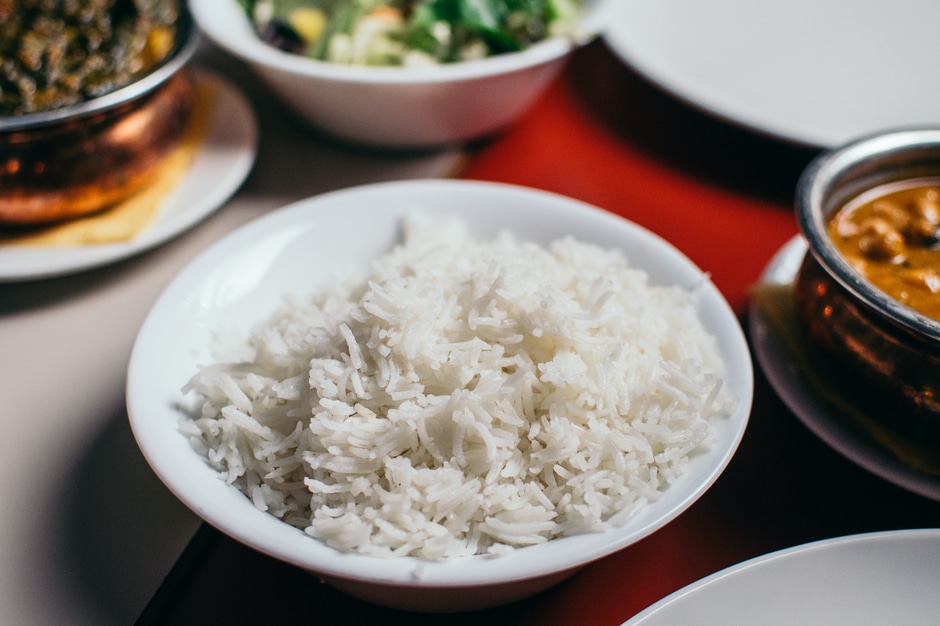
Frozen rice develops a mushy, unpleasant texture — even when you undercook it intentionally before freezing. Here’s why: rice is primarily starch, and when water freezes around those starch granules, the ice crystals damage their structure. When thawed, the starch absorbs water and becomes waterlogged and soft instead of fluffy.
What to do instead: Skip freezing rice. Cook it fresh when you’re ready to eat — it takes just 15–20 minutes and tastes infinitely better. If you’re short on time, use instant rice or minute rice, which cooks in under 5 minutes. Alternatively, prep rice ahead but refrigerate it (not freeze it) and use within 3–4 days.
2. Noodles and Pasta
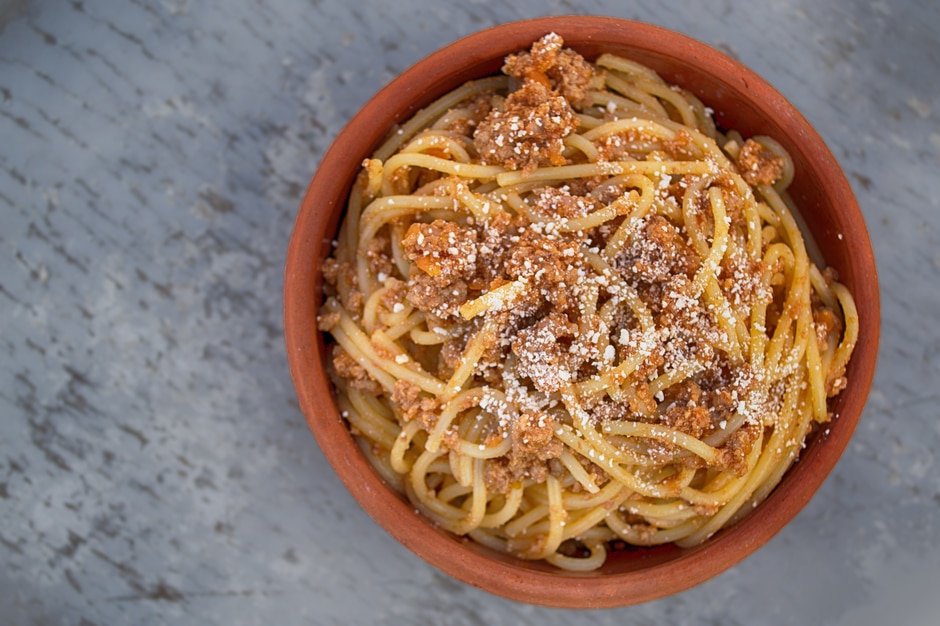
Here’s the catch with freezing pasta: you *can* freeze pasta dishes (like our Creamy Chicken Pesto Pasta, Cheese Stuffed Shells, or Easy Homemade Lasagna), but loose noodles or plain cooked pasta turn mushy when reheated.
The problem: pasta already contains moisture. When frozen, ice crystals form throughout the noodle, and during thawing and reheating, the noodles absorb extra water and lose their structure.
The key rule: Cook pasta to al dente (or just before) if you’re freezing it in a dish. That slight firmness gives the noodles room to soften during thawing and reheating without becoming mush. If you’re freezing pasta in sauce or baked into a casserole, it’ll stay intact and taste great. Loose frozen pasta on its own? Skip it.
3. Potatoes
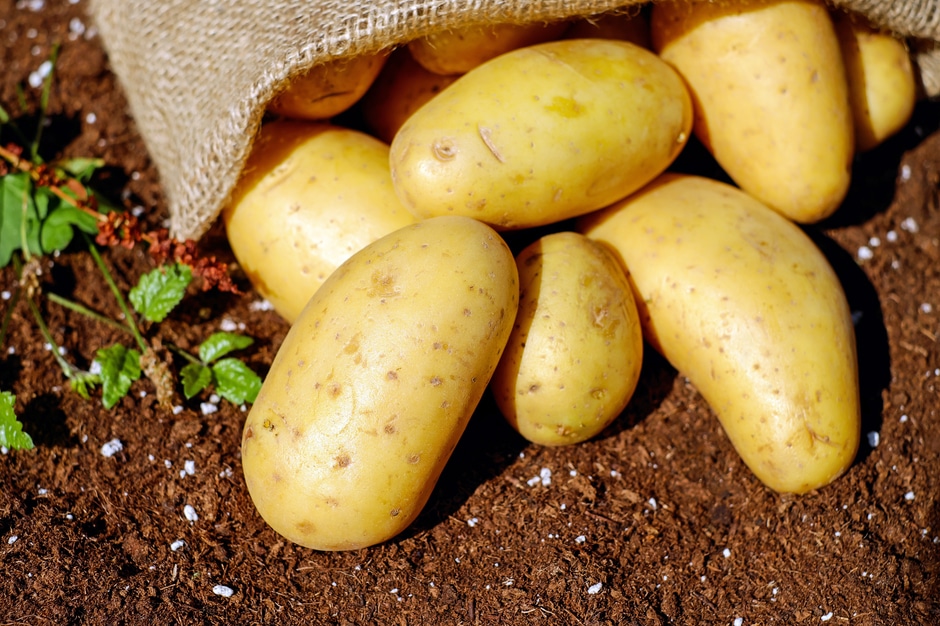
Raw potatoes turn brown in the freezer due to enzymatic browning and oxidation. Even blanching doesn’t fully prevent it. Cooked potatoes can freeze, but they become grainy and mushy if overcooked before freezing because the cell walls have already softened during cooking, and freezing damages them further.
Here’s what works: Use pre-cooked, slightly underdone potatoes for freezer meals like Funeral Potatoes and Sausage Hash. Undercook them slightly (they should still have a slight firmness) before freezing to keep them from falling apart during thawing. If you’re freezing raw potatoes (like in our Ham and Scalloped Potatoes), keep them in cold water as you prep and freeze immediately to minimize browning.
Dairy & Cheese Products That Don’t Freeze Well
Dairy is tricky because most dairy products are emulsions — carefully balanced mixtures of fat and water. Freezing breaks these emulsions, causing separation and texture changes that can’t be reversed.
4. Cream Cheese
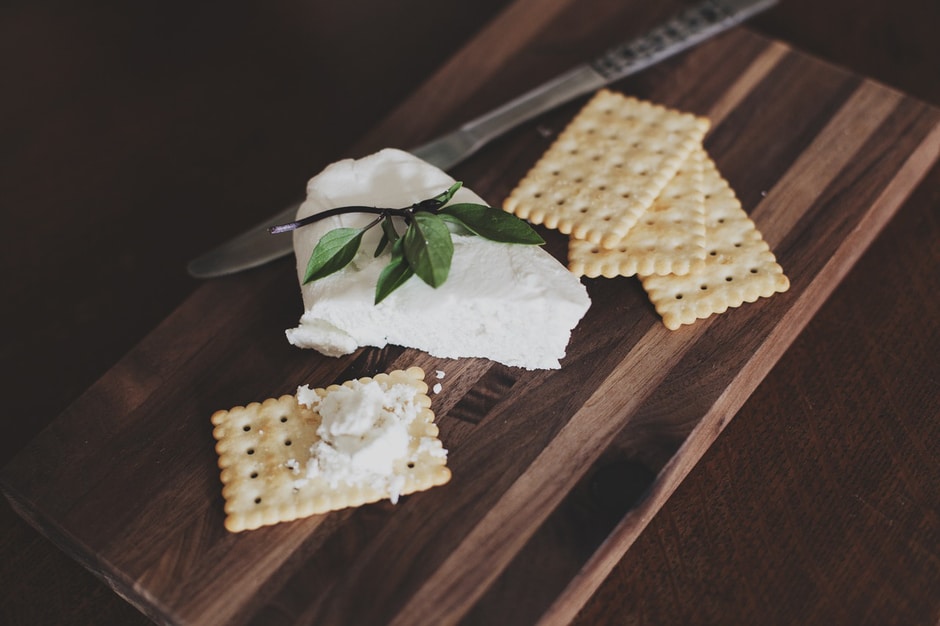
Frozen cream cheese becomes grainy and crumbly when it thaws — it loses that smooth, spreadable texture completely. This is because cream cheese is an emulsion (a mixture of fat and water held together), and freezing breaks that emulsion. The water separates from the fat, leaving behind a crumbly texture.
When it works: Use frozen cream cheese only in *cooked* dishes where the texture won’t matter. Our crockpot cream cheese chicken and cream cheese fruit dip work beautifully with frozen cream cheese because the filling melts and re-emulsifies into the recipe. Don’t spread frozen cream cheese on a bagel — you’ll be disappointed every time.
5. Block Cheese
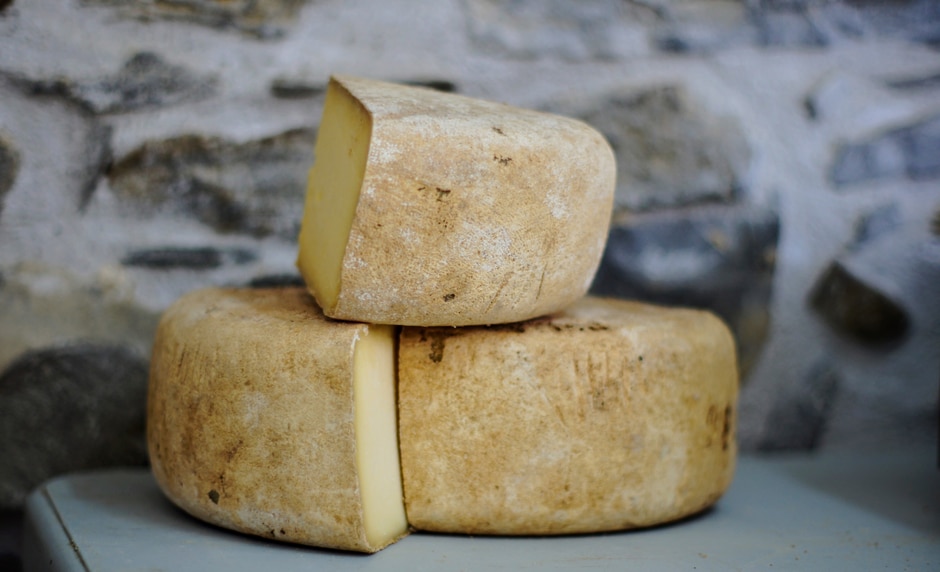
Like cream cheese, frozen block cheese becomes crumbly and loses its sliceable texture. The fat and water in cheese separate when frozen, creating that grainy, brittle quality. Shredded cheese freezes much better than blocks because the smaller pieces freeze more uniformly and the texture change is less noticeable.
When frozen block cheese works: Use it only in recipes where it will melt or crumble into other ingredients. Cheese sauce, casseroles, and baked dishes are perfect. Don’t freeze block cheese for a charcuterie board or cheese plate.
Pro tip: If you’re stocking up on shredded cheese, use a KitchenAid shredder attachment to save time and money shredding in bulk.
6. Sour Cream
Sour cream is an emulsion, similar to cream cheese and mayonnaise. When frozen, the fat and water separate, leaving you with a grainy, watery mess. Even if you thaw it slowly, the texture won’t return to normal.
What to do instead: Buy sour cream fresh as needed, or look for sour cream specifically labeled as freezer-safe (some brands have stabilizers that help prevent separation). For recipes, Greek yogurt can be a good substitute in many applications where you’d normally use sour cream — it freezes better because of its thicker, more stable protein structure.
7. Soft & Fresh Cheeses (Brie, Feta, Ricotta)
Soft cheeses like brie, feta, goat cheese, and ricotta have high water content and delicate textures. When frozen, the water turns to ice, creating a grainy, crumbly cheese with a completely different mouthfeel. These cheeses are meant to be creamy and smooth — freezing destroys that quality.
What to do instead: Buy soft cheeses fresh when you need them. They’re not expensive and they taste infinitely better fresh. If you have leftover ricotta, you can freeze it for use in cooked dishes like lasagna or baked pasta (where the texture change won’t be as noticeable), but don’t expect to enjoy it on a cheese board or with fruit.
8. Whipped Cream
Whipped cream is mostly air — it’s cream that’s been whipped to incorporate air bubbles. When frozen, those air bubbles expand and the fat in the cream solidifies unevenly, causing the whipped cream to separate and become grainy when thawed.
What to do instead: Make whipped cream fresh when you need it (it takes 2 minutes with a mixer). If you want to prepare ahead, you can freeze stabilized whipped cream (made with a bit of cornstarch or gelatin) — it holds up better than regular whipped cream. For desserts, freeze the whipped cream in dollops on a baking sheet, then transfer to freezer bags; use them straight from the freezer on pies or desserts.
Eggs & Proteins
Eggs are finicky when frozen because of their protein structure and the way water expands inside them. Handle with care.
9. Raw Eggs in the Shell
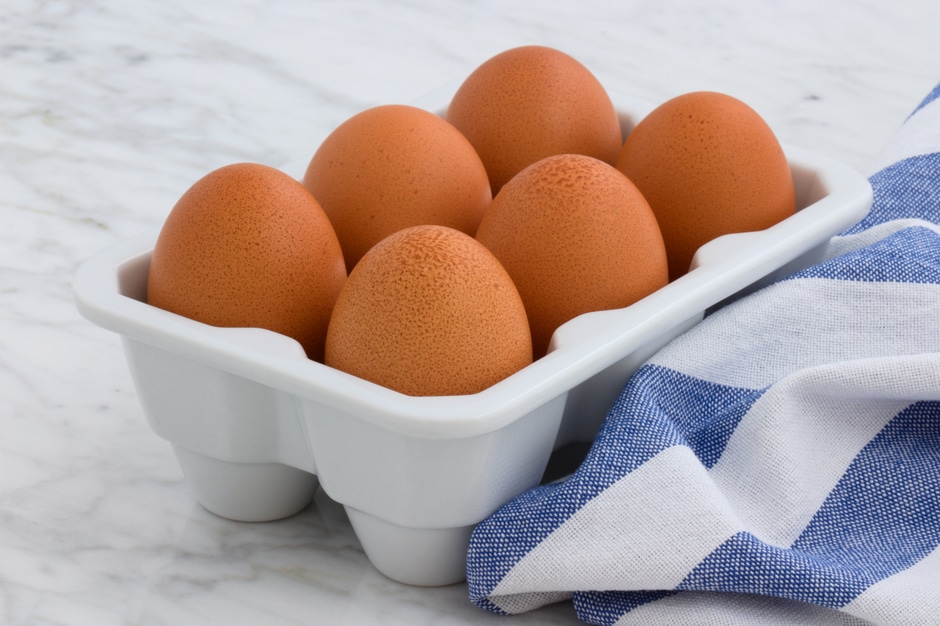
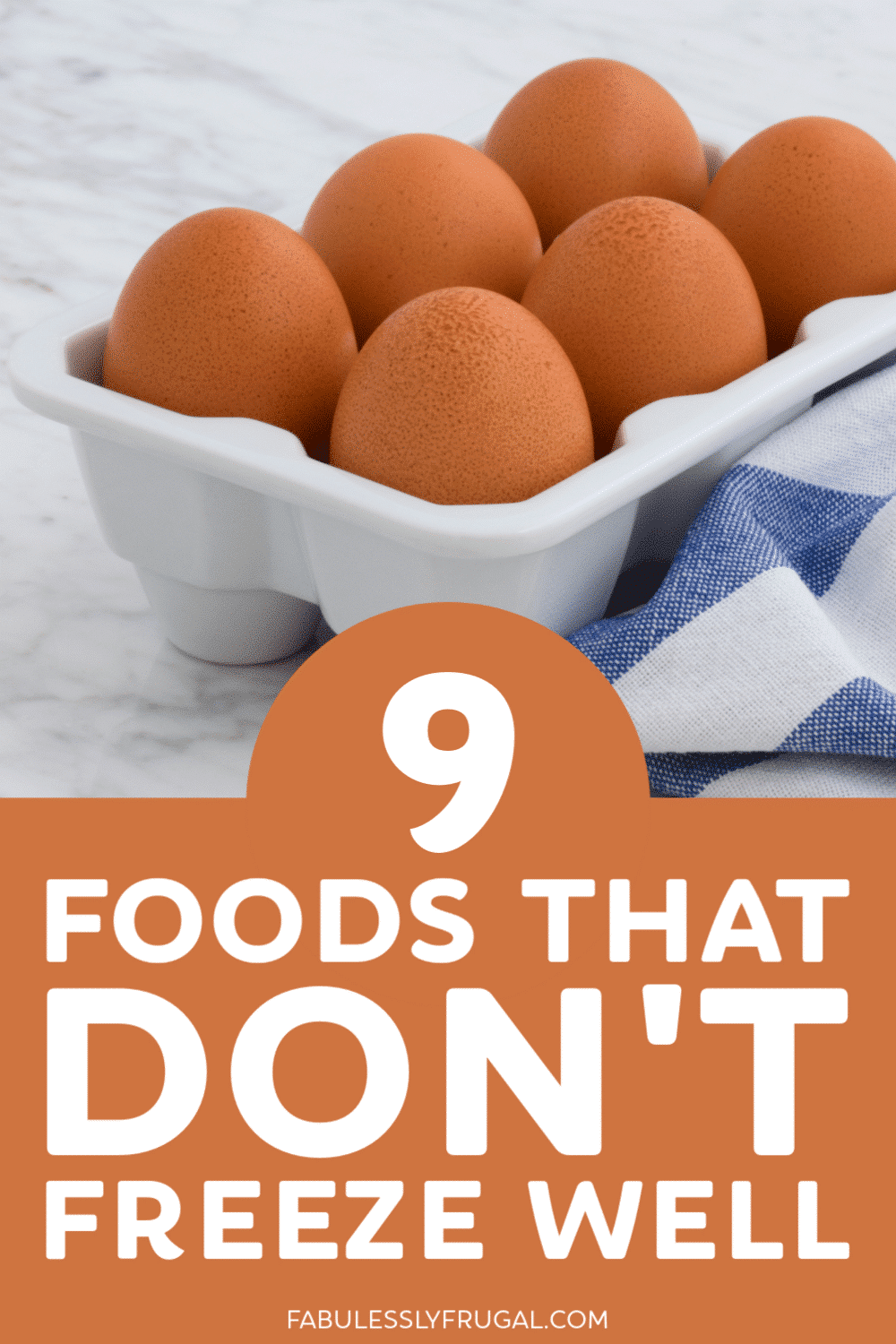
When water freezes, it expands. Raw eggs in their shells will crack as the inside freezes solid, making them messy to thaw and creating a food safety concern (cracks allow bacteria entry). This is why the USDA recommends never freezing eggs in their shells.
The right way to freeze eggs: Crack them into an ice cube tray or freezer container first. Once solid, transfer to a freezer bag for longer storage. When you’re ready to use them, thaw in the fridge.
Tip to prevent yolk hardening: Beat the egg white and yolk together before freezing, or add a pinch of salt or sugar to the mixture to prevent the yolk from thickening. Even with these tricks, frozen raw eggs won’t have exactly the same texture as fresh — they work best in recipes, not for frying or scrambling.
Cooked eggs freeze perfectly fine, which is why our freezer breakfast burritos and freezer scrambled egg muffins are so convenient.
10. Cooked Egg Whites
While cooked whole eggs freeze okay, cooked egg whites specifically become tough, rubbery, and unpleasant when frozen. The proteins in the egg white denature further during freezing, creating an off-putting texture.
What to do instead: Cooked whole eggs (where the yolk is still present) freeze much better. If you’re making egg-based freezer meals, include the yolk. Avoid freezing dishes with only cooked egg whites — they won’t taste good when thawed.
Produce & Fruit That Don’t Freeze Well
Fresh produce is particularly vulnerable to freezing because of its high water content and delicate cell structure. Once thawed, the texture changes dramatically for most items.
11. Raw Vegetables
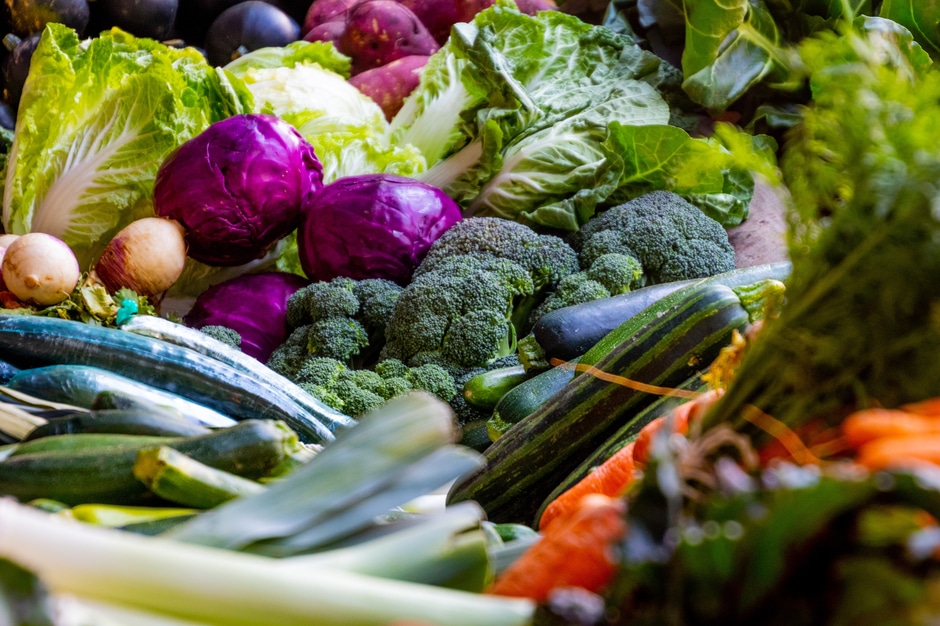
Raw vegetables continue to age and decay in the freezer, leading to mushiness, bad flavor, and nutrient loss. Enzymes in the vegetables remain active even at freezing temperatures, causing slow deterioration. Blanching stops this process by deactivating those enzymes. You must blanch vegetables before freezing — boil them briefly (3–5 minutes depending on the vegetable), then plunge into ice water to stop cooking and cool immediately.
Even with blanching, frozen vegetables can lose their crunch. The ice crystals that form during freezing rupture cell walls, so textures become softer when thawed. You’ll notice texture changes after freezing, especially with vegetables meant to stay firm (like bell peppers or cucumbers).
Blanching guides for specific vegetables:
12. Lettuce & Leafy Greens
Lettuce and other leafy greens have extremely high water content. When frozen, the water expands and ruptures the cell walls, turning the leaves into a watery, mushy slush when thawed. This happens even with slow thawing.
What to do instead: Buy lettuce and greens fresh, and eat them within a week. If you’re concerned about waste, wash and store greens properly in your fridge (wrapped in paper towels to absorb excess moisture). For smoothies, you can freeze greens like spinach and kale because the texture change won’t matter once they’re blended.
13. Fresh Tomatoes (Whole or Sliced)
Whole or sliced fresh tomatoes become mushy and watery when frozen. The high water content and delicate cell structure can’t withstand freezing. You’ll end up with a limp, soggy tomato that’s only useful for sauces or soups, not eating fresh.
What to do instead: Tomato sauce, salsa, and tomato-based soups freeze beautifully. The cooking process breaks down the cell walls anyway, so freezing doesn’t cause additional problems. If you want to preserve fresh tomatoes, make them into sauce or paste first. You can also freeze whole tomatoes in a single layer and use them later for cooking — the texture will be compromised, but they work for sauces.
14. Avocado
Avocados are very sensitive to freezing. The flesh becomes mushy and brown (oxidation accelerates in frozen fruit). Even if you freeze avocado halves with the pit still in, browning and texture deterioration happen quickly.
What to do instead: Buy avocados at the ripeness you want and use them fresh. If you have an overripe avocado, make guacamole and freeze that instead — the blending and lime juice help preserve texture better than frozen whole avocado. Avocado puree or mashed avocado with lime freezes okay for smoothies.
15. Soft Berries (Strawberries, Raspberries, Blackberries)
Soft berries have delicate cell structures and high water content. When frozen, ice crystals rupture the cells, turning the berries into mush when thawed. You can freeze them, but they’ll only be good for smoothies, jams, or baking — not for eating fresh or using in recipes where texture matters.
What to do instead: Freeze soft berries on a baking sheet first, then transfer to freezer bags (flash-freezing prevents them from turning into one big clump). They’ll be mushy when thawed but perfect for smoothies and baking. Hard berries like blueberries freeze much better and retain more firmness when thawed.
16. Bananas
Bananas turn black and mushy when frozen — the peel blackens (which is just oxidation and doesn’t affect safety), and the flesh becomes extremely soft. However, this doesn’t make them bad; it just changes how you can use them.
What to do instead: Freeze bananas intentionally for smoothies and baking. Peel them, slice them, freeze on a baking sheet, then transfer to freezer bags. Frozen bananas are actually ideal for smoothies (they add creaminess and help chill the drink) and for banana bread, muffins, and other baked goods. Just don’t expect to peel and eat a frozen banana as a snack.
Condiments & Prepared Foods
Many prepared foods have emulsions or rely on specific textures that don’t survive freezing.
17. Dressings and Condiments
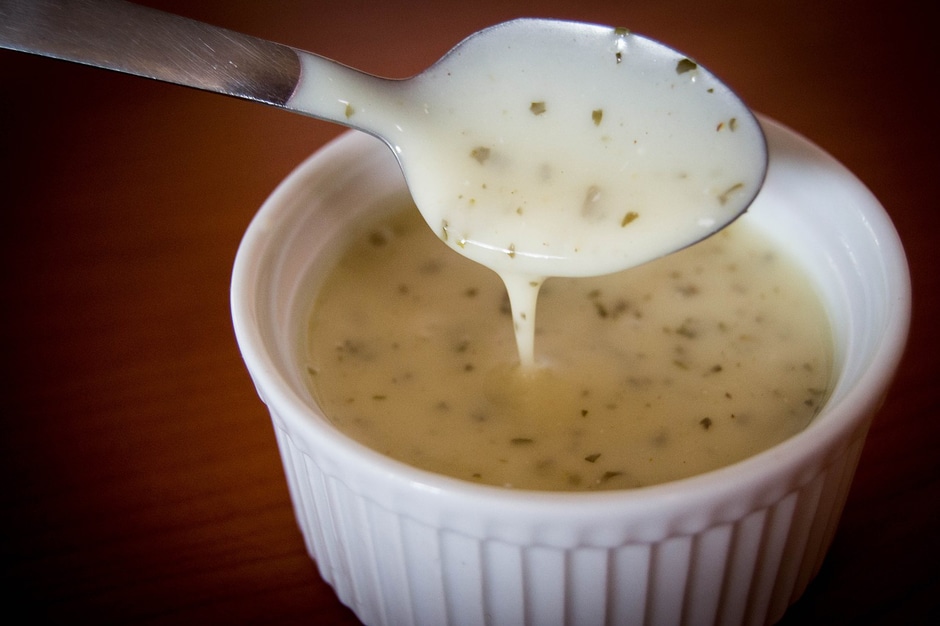
Salad dressings and condiments separate when frozen because they’re emulsions (like cream cheese). The oil breaks away from the vinegar or water, leaving you with a grainy, unappetizing mixture that won’t recombine no matter how much you stir or shake it.
Solution: Buy dressings and condiments fresh when you need them. This is one category where freezing really doesn’t have a good workaround — the science of emulsions just doesn’t cooperate.
18. Mayonnaise
Mayonnaise is one of the trickiest emulsions to freeze because it’s primarily oil suspended in water with egg yolks holding everything together. Freezing breaks this delicate balance, causing the oil to separate and the mayo to become oily and unusable.
What to do instead: Don’t freeze mayonnaise or mayo-based salads (chicken salad, tuna salad, etc.). Make these dishes fresh or prepare them without mayo and add mayo to individual portions when you’re ready to eat. If you need to freeze a sandwich, use mustard or other condiments instead.
19. Fried Foods
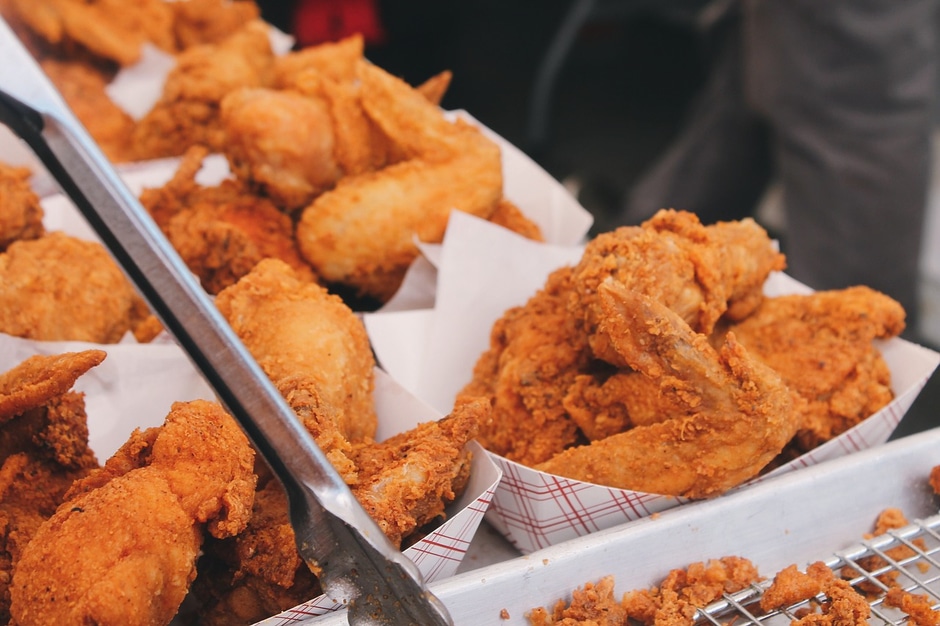
Fried foods (outside of commercial frozen fried products) become soggy when thawed. The breading or coating absorbs moisture during the freezing and thawing process, losing its crispness. When you reheat them, you get a soggy, limp texture instead of that satisfying crunch.
Exception: Foods designed for the frozen food aisle (like frozen fries or frozen chicken nuggets) have protective coatings and manufacturing processes that home-fried foods don’t have. These are engineered to maintain texture through freezing.
20. Custard & Cream-Based Pies
Custard, cream pies, and other pies with cream or custard fillings don’t freeze well because the filling separates and becomes watery or grainy when thawed. The texture and flavor are significantly compromised. This includes pies like vanilla cream, banana cream, coconut cream, and chocolate cream.
What to do instead: Freeze pie crusts and fruit pies beautifully — just avoid the cream and custard varieties. If you want to freeze a cream pie, consider freezing the crust and filling separately, then assembling and adding whipped cream topping just before serving. Alternatively, make mousse-based desserts instead — they freeze and thaw more successfully than custard pies.
Frequently Asked Questions About Foods That Don’t Freeze Well
Can you freeze pasta dishes?
Yes, but only if you cook the pasta to al dente first. Pasta dishes with sauce or mixed into casseroles freeze beautifully — just avoid freezing loose, plain cooked noodles by themselves.
Can you freeze corn on the cob?
Yes. Blanch the corn first (boil for 7–10 minutes, then immediately plunge into an ice bath), pat dry thoroughly, and freeze. You’ll notice some texture change, but it works well for cooking and adding to dishes.
Can you freeze cooked potatoes?
You can, but they’ll develop a grainy, mushy texture. Undercook them slightly before freezing and use them in dishes where texture matters less (like mashed potatoes, hash, or soups).
What’s the best way to freeze eggs?
Crack them into ice cube trays, freeze solid, then transfer to a freezer bag. Beat them first and add a pinch of salt or sugar to prevent the yolk from hardening. Never freeze eggs in their shells.
Can you freeze shredded cheese?
Yes, shredded cheese freezes much better than block cheese. It will work perfectly in cooked dishes and casseroles.
Can you freeze soft cheeses like feta or ricotta?
Soft cheeses don’t freeze well due to high water content — they become grainy and crumbly. Ricotta can be frozen for use in cooked dishes like lasagna, but don’t expect to enjoy it fresh. Feta and other soft cheeses are best bought and used fresh.
Can you freeze fresh berries and fruit?
Soft berries like strawberries and raspberries become mushy when thawed, but they freeze well for smoothies and baking. Flash-freeze them on a baking sheet first. Hard berries like blueberries and cranberries freeze better and retain more texture. Fresh tomatoes, avocados, and bananas don’t freeze well as-is, but frozen bananas are great for smoothies and baking.
Can you freeze salads and leafy greens?
No. Lettuce and other leafy greens have too much water and become mushy when thawed. Spinach and kale freeze okay for smoothies (where texture doesn’t matter), but not for salads. Buy greens fresh and store them properly in your refrigerator instead.
Can you freeze cream-based soups and sauces?
Cream-based soups and sauces can freeze, but they may separate or become grainy when thawed. To improve results, cool them completely before freezing and thaw slowly in the refrigerator. Tomato-based sauces freeze beautifully without these issues.
What’s the best way to freeze berries?
Place fresh berries in a single layer on a baking sheet and freeze for 2–3 hours until solid. Then transfer to freezer bags. This “flash-freezing” prevents them from clumping together and helps them retain some texture.
Can you freeze sour cream or Greek yogurt?
Sour cream doesn’t freeze well because it’s an emulsion that separates when thawed. Greek yogurt freezes slightly better due to its protein content, but it will still separate somewhat. For freezing, look for sour cream labeled as “freezer-safe,” or use Greek yogurt and expect some texture change. Both work better in cooked dishes than eaten straight.
How long can you safely freeze food?
Most frozen foods stay safe to eat indefinitely (as long as they stay frozen), but quality degrades over time. For best flavor and texture, aim to use frozen foods within 2–3 months. For specific guidelines, check the USDA’s freezing and food safety guidelines.
Final Thoughts
Freezer cooking saves time and money — but only if you know which ingredients hold up. A lot of this comes down to trial and error, so if you’re unsure about a specific food, freeze a small portion and test it before committing a whole batch to your freezer.
For more detailed help and official food safety guidance, check out our ultimate food freezing guide. And if you’ve learned hard lessons about what not to freeze, I’d love to hear them in the comments below!
Sign up for Fabulessly Frugal email updates — get freezer meal ideas, money-saving tips, and recipes straight to your inbox.
Freezer Meal Recipes That Work:
Want more? Check out all of our freezer meal recipes.
Learn More About Freezer Meal Cooking:
- Why You NEED Freezer Meal Cooking in Your Life
- How to Start Doing Freezer Meals
- 24 Lessons I Learned While Making Freezer Meals
- Freezer Meal Connected eBook
Trending Recipes
Comments & Reviews
Leave a Review/Reply
More Related Recipes



Trending Recipes
- Recipes
- DIY
- Deals
- Blog









Popular


Recommended


About Us

At Fabulessly Frugal, our goal is to help you live HEALTHY, WEALTHY, and WISE! My team and I work hard to bring you the best, online deals, clean eating, DIY's, freezer meal recipes, and more! I LOVE coaching and inspiring people to improve their health in my fitness challenge! You should also check out my favorite cleanse! Learn more about me and the rest of my team.

Copyright © 2008–2026
Fabulessly Frugal: A Coupon Blog Sharing Gift Ideas, Amazon Deals, Printable Coupons, DIY, How to Extreme Coupon, and Make Ahead Meals. All rights reserved
This is pretty handy information that everyone needs to know– I appreciate this since I like a few meals a head of time just to make my rushed days easier