
How to Restore Color in Clothes Without Bleach
How to Restore Color in Clothes Without Bleach
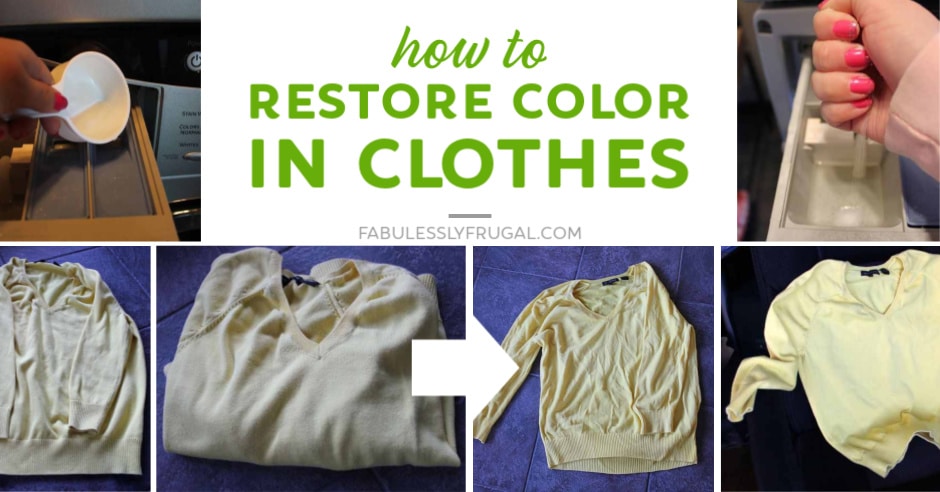
Can Vinegar and Salt Brighten Dingy Clothes?
If you have ever pulled a favorite shirt, sweater, or pair of pants out of the laundry and thought, “Well, that used to be cute,” you are not alone. Dingy clothes happen, especially when colors start looking dull, gray, or a little tired after multiple washes.
This simple laundry method uses white vinegar, salt, and your regular detergent to help freshen and brighten some washable fabrics without using bleach. It worked beautifully on the yellow sweater shown in this post, but I want to be very clear upfront: this is not a guaranteed fix for every garment, fabric, or dye type.
Some fabrics are not colorfast, which means the dye can bleed, fade, lighten unevenly, or react differently when washed. Before trying this on a favorite or expensive item, always test a small hidden area first, such as an inside seam or hem.
Read This Before You Try It
Because of reader feedback, we have added more detail to this post about testing first and using caution. This method is best for washable clothing that is dingy, dull, or gray-looking from normal laundry buildup. It is not meant to repair fabric that has already been bleached, permanently faded, sun-damaged, stained by chemicals, or stripped of dye.
Important: Do not try this first on a sentimental, expensive, dry-clean-only, delicate, vintage, or “do not wash” garment. If the item is very special to you, a professional cleaner is the safest choice.
Before washing the full garment, test an inside seam with a small amount of diluted white vinegar and water. Blot with a white cloth. If color transfers to the cloth, the dye may not be stable enough for this method. You can also check the care label and avoid this method on garments labeled dry clean only, wash separately, or wash with like colors if you are worried about color bleeding.
For more information about dye bleeding and why vinegar and salt are not a guaranteed dye fixative for already-dyed clothing, this guide from The Spruce explains color bleeding and laundry dye issues in more detail.
What This Laundry Method Can and Cannot Do
This vinegar and salt laundry trick may help remove some detergent residue, mineral buildup, and dullness that can make clothing look faded or gray. That is why it can sometimes make colors look brighter after washing.
However, it does not put missing dye back into the fabric. If a shirt has already lost dye, has white patches, or has uneven fading, this method probably will not restore it to the original color. It may also be too harsh for some unstable dyes, so testing first matters.
Supplies You’ll Need
- Dingy washable clothing
- 1/2 cup white vinegar
- 1 tablespoon of salt
- Your normal laundry detergent
- Optional: color catcher sheet for extra caution
How to Brighten Dingy Clothes with Vinegar and Salt
This is the method I used on my yellow sweater. Again, test first if you are unsure about the fabric or dye.
Step 1: Add Detergent and Vinegar
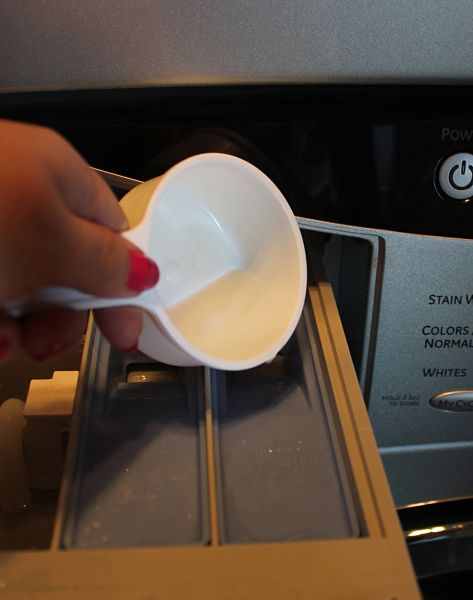
Place the clothing that needs a little extra brightening into the washer. Add your regular laundry detergent to the machine as you normally would. Then, add 1/2 cup of white vinegar to the fabric softener dispenser.
Step 2: Add Salt to the Detergent Area
Next, add 1 tablespoon of salt right into the detergent mix or detergent area. Do not add the salt to the vinegar in the fabric softener dispenser. The vinegar goes in the softener dispenser, and the salt goes with the detergent/load so it can dissolve during the wash cycle.

Step 3: Wash on a Normal Cycle
Run the washer on a normal cycle according to the garment’s care label. When in doubt, use cold water, especially for bright or dark colors. Cold water is usually the safer choice for reducing color bleeding and protecting fabric.
After washing, check the garment before placing it in the dryer. If anything looks wrong, do not heat dry it. Heat can sometimes make discoloration harder to correct.
My Results on a Yellow Sweater
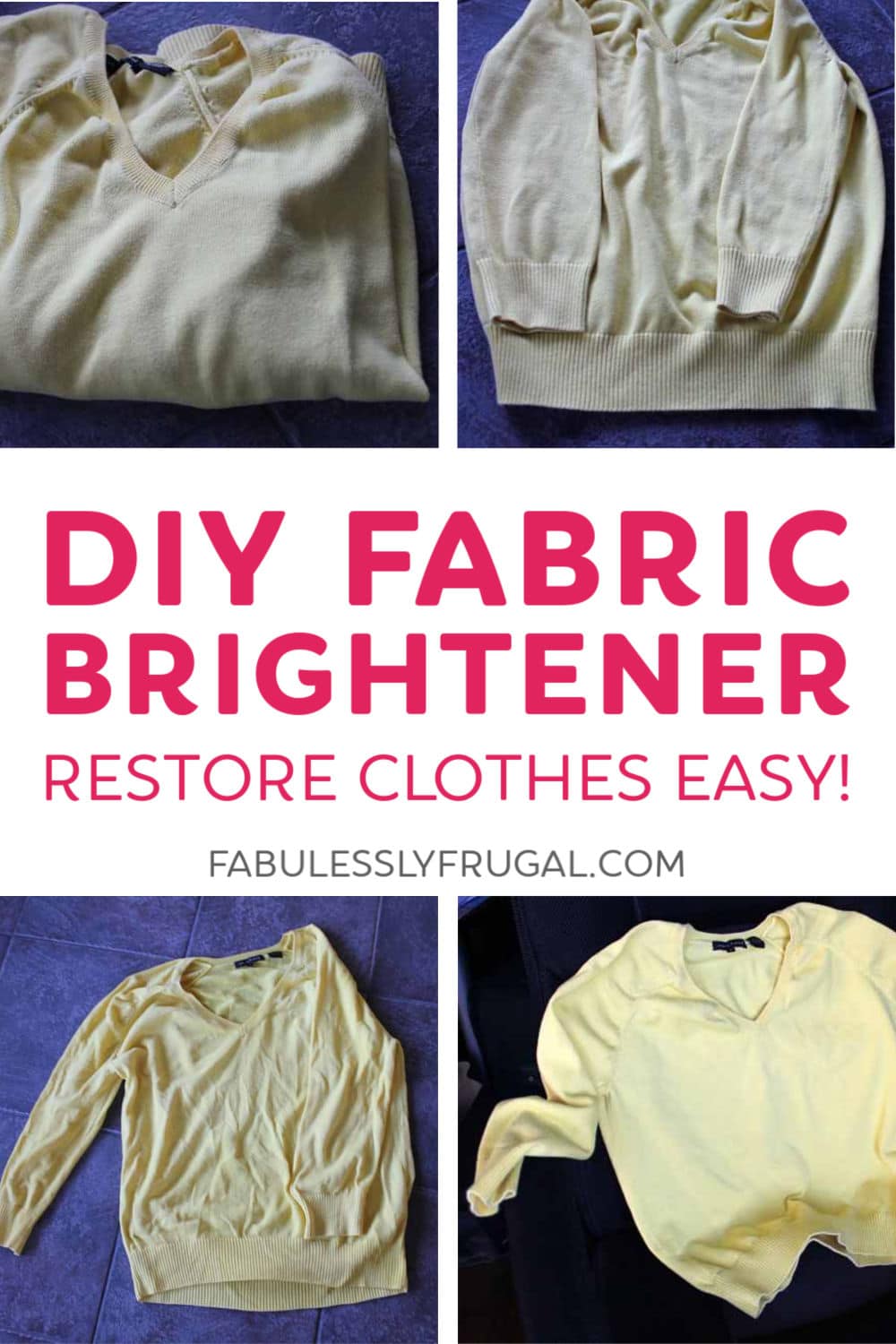
Here is what happened when I tried this method on my own yellow sweater. I bought the cutest yellow sweater, washed it before wearing it, and it came out dingy, gray-tinged, and just plain dirty looking. I washed it several more times with no improvement, and then I finally decided to give this vinegar and salt method a try before giving up on it.
Before Washing
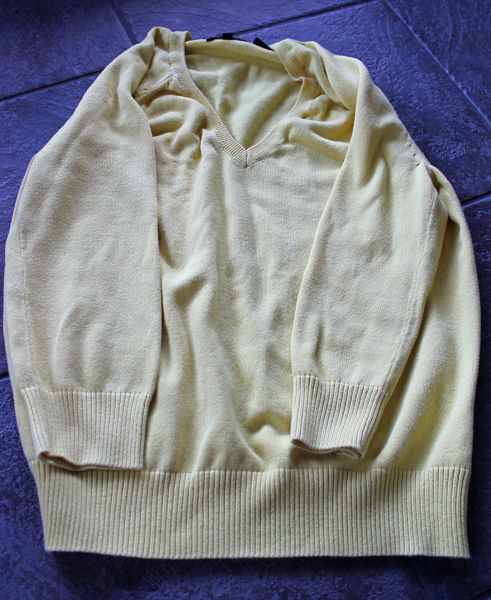
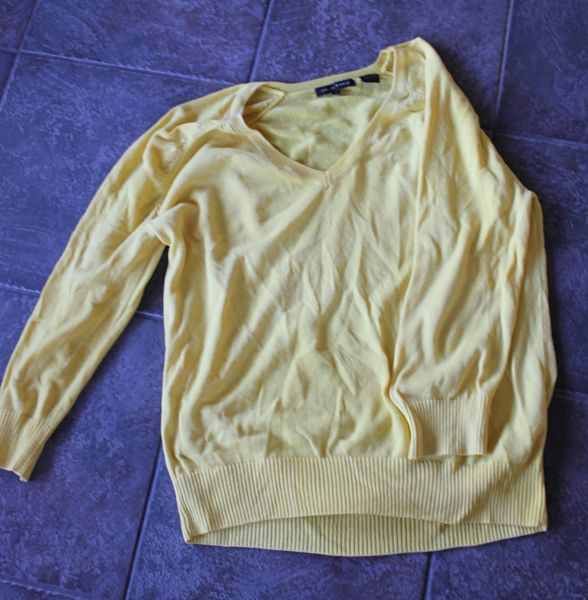
It is a little hard to tell unless you compare the photos side by side, but this sweater looked very dull and dingy before washing.
After Washing
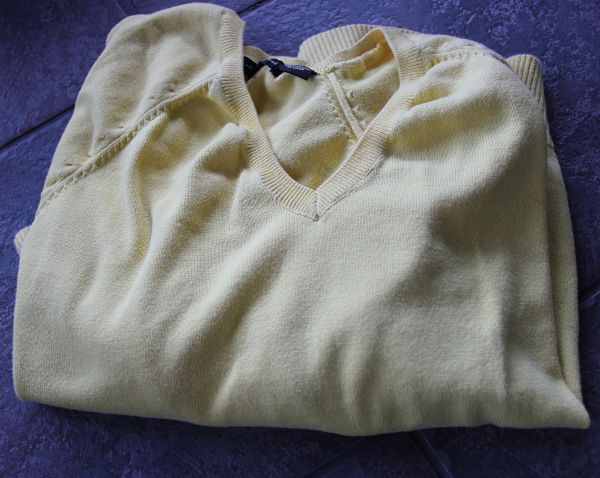
This is what the sweater looked like right after the wash cycle. For this particular sweater, there was already a noticeable difference.
And here is the sweater after drying:
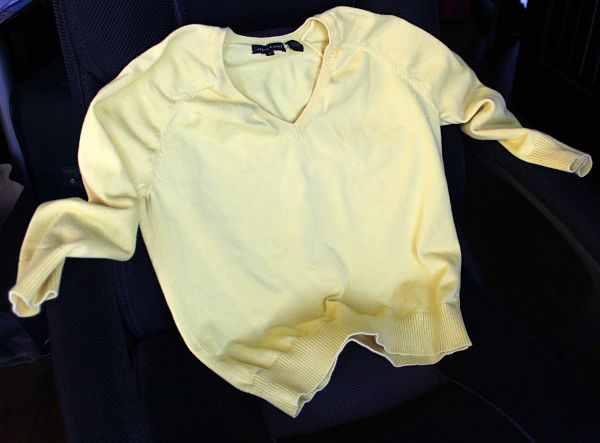
For this sweater, the homemade fabric brightener worked really well. The gray, dingy look improved, and I was finally able to wear it. I was so happy with the result, but after hearing from readers, I want to make sure this post is as helpful and honest as possible: your results may vary depending on the garment, dye, fabric, and what caused the dullness in the first place.
Reader Questions and Troubleshooting
Can this method damage clothing?
It can, depending on the fabric and dye. Some dyes are not colorfast and may fade, bleed, or turn patchy. Always test first on a hidden area and avoid using this on delicate, dry-clean-only, vintage, expensive, or sentimental items.
What if my shirt turned patchy or some areas became lighter?
Rinse the item well in cold water and avoid heat drying. If the shirt is important to you, a professional cleaner may be the safest next step. Patchy white or light areas can mean the dye reacted unevenly or was not stable.
Where does the salt go?
The salt goes with the detergent. The vinegar goes in the fabric softener dispenser.
What kind of vinegar should I use?
Use plain white vinegar. Do not use apple cider vinegar, balsamic vinegar, cleaning vinegar, or any colored vinegar on clothing.
Can I use this in an HE washer?
Because this method does not create extra suds, many readers have used vinegar in laundry successfully. However, always follow your washing machine manual. Add the vinegar to the fabric softener dispenser and use your regular HE-safe detergent if your machine requires it.
Should I use hot or cold water?
Use the temperature recommended on the garment care label. When in doubt, cold water is usually the safer option for colors because it is less likely to encourage dye bleeding.
Can I brighten more than one item at a time?
It is safest to start with one item, especially if you have not tested the fabric before. If you are washing several similar items together, make sure they are similar colors and fabrics. Do not mix bright colors with whites or light colors unless you are confident they will not bleed.
Will this work on whites?
It may help freshen some dingy whites, but this is not the same as bleach and may not remove deep stains or yellowing. For whites, make sure there are no colored trims or prints that could bleed.
Will my clothes smell like vinegar?
No, the vinegar smell should rinse out during the wash cycle. If you still notice a smell, run an extra rinse cycle.
Final Thoughts on Restoring Color in Clothes
This vinegar and salt laundry method can be a helpful, inexpensive option for some dingy washable clothes, especially if the fabric is sturdy and the dye is stable. It worked well on my yellow sweater, and several readers have had good results too.
But the most important takeaway is this: test first and use caution. Laundry hacks are never one-size-fits-all because clothing dyes, fabrics, previous treatments, stain removers, and washing history can all affect the result.
If you try it, start with something low-risk, follow the garment care label, and check the clothing before drying. I hope this helps you save a piece of clothing you thought was headed for the donation pile or trash, without reaching for bleach.
More Laundry Tips
- Homemade Fabric Softener
- Homemade Stain Remover Using Strong and Gentle Dawn Dish Soap
- Homemade Laundry Soap Tutorial with Pictures
FAQs About Brightening Dingy Clothes
Does vinegar restore faded clothes?
Vinegar may help remove residue or buildup that makes clothes look dull, but it does not replace missing dye. If the fabric is permanently faded or bleached, vinegar will not restore the original color.
Does salt set color in clothes?
Salt is often mentioned as a laundry trick, but it is not a guaranteed way to set dye in already-manufactured clothing. Results vary by fabric and dye type.
Is this safe for all colored clothes?
No. This method is not safe for every fabric or dye. Test a hidden area first and avoid using it on delicate, dry-clean-only, vintage, expensive, or sentimental items.
Can I use this on black clothes?
I would be cautious with black clothing because fading or dye instability can be more noticeable. If you try it, test a hidden seam first and use cold water.
What should I do if clothing looks worse after washing?
Do not dry it with heat. Rinse in cold water and consider contacting a professional cleaner, especially if the item is important to you.
Trending Diys




Comments
Leave a Reply
More Related Diys







Trending DIY Projects
- DIY
- Recipes
- Deals
- Blog







Report a Problem
Please select the problem you are facing with this deal:
- Price Increased
- Price Decreased
- No longer available
- Expired
- Link doesn't work
- Suggestion
- Compliment
- Other
Add more details:
Thank you for your feedback. We really appreciate it.
Enter your email address if you would like
to receive a follow up.
Please Try Again
Thanks for providing the email address.
We will reach out to you as soon as possible.


Loading deal…
Popular


Recommended


About Us

At Fabulessly Frugal, our goal is to help you live HEALTHY, WEALTHY, and WISE! My team and I work hard to bring you the best, online deals, clean eating, DIY's, freezer meal recipes, and more! I LOVE coaching and inspiring people to improve their health in my fitness challenge! You should also check out my favorite cleanse! Learn more about me and the rest of my team.

Copyright © 2008–2026
Fabulessly Frugal: A Coupon Blog Sharing Gift Ideas, Amazon Deals, Printable Coupons, DIY, How to Extreme Coupon, and Make Ahead Meals. All rights reserved
I use Vinegar as my fabric softener. I have’nt bought fabric softener in years. I make my own laundry soap too. I will try this because my whites have been looking kinda dingy lately, hope it works for me! Thanks
you should use Shout color catchers. if it turned dingy after the first wash it was probably the dye from other garments being redeposited onto you new sweater. I have even seen diy recipes for making the color catchers, though I have never tried making them.
GOING TO TRY RIGHT NOW THANKS 🙂
What a great idea! Can this method be used safely in an HE washer? I can’t see why it would create a subs problem, however, better safe than sorry.
Wow, you did well!
Do you use normal or white vinegar
I want to try this at home. I use vinegar to removed odor
Does it matter what temperature you use? I have a pastel pink fleece I’ve had the same problem with. Does it need to be cold or does it matter?
My mom and I tried this a few days ago and I can truly tell you, it really works! I know I sound like a bot but I’m serious, it really worked. Thank you!
😄 yay!! So glad it worked out well!
Hi Cathy,
I intend to brighten 3 knitwear tops at once using your method. Do I have to add 3 halves of a cup of vinegar and 3 handfuls of salt to the dispenser or one proportion is fine?
One should do it
Does this work with whites too?
Yes absolutely it should
Worked for me thank you so much! I too had a yellow jersey I had managed to fade after soaking in stain remover… after googling the British equivalent of a cup I used white vinegar and it’s definitely brighter! May need another go to get it back to pre soaking brightness but I’m so pleased … thanks again!
You are welcome! Glad it worked for you.
It didnt work at all! My yellow shirt became patchy with some parts became white. Instead of brightening it, the vinegar has completely ruined my yellow polo shirt. I am extremely devastated !
Sarah, I am truly so sorry that happened. I can completely understand why you’d be devastated, especially with a shirt you cared about.
It sounds like the dye in your yellow polo may not have been colorfast or may have reacted differently to the vinegar/salt wash.
I’m very sorry again that this was your experience. I really appreciate you taking the time to share it, and we’ve added more detail to the post to help make the instructions clearer for others.