
10 Natural DIY Hair Conditioners For Every Hair Type
Natural Homemade Hair Conditioner Recipes
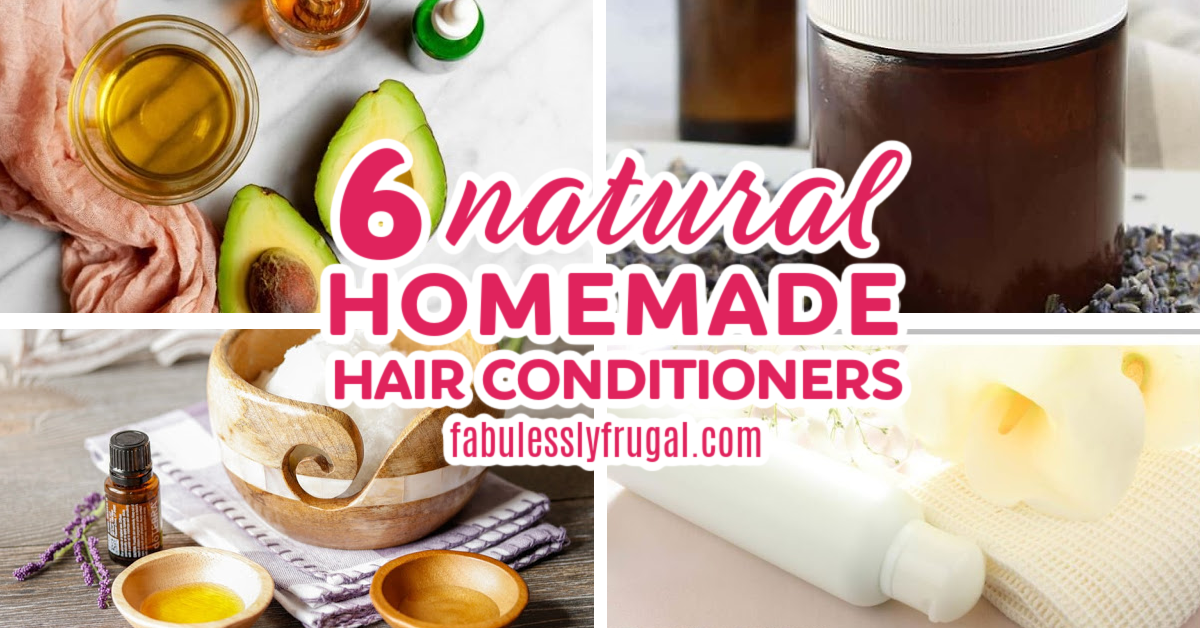
DIY Conditioners for Soft, Shiny Hair (Picked by Hair Type)
If your hair feels dry, frizzy, tangled, or kind of “meh,” you don’t always need a fancy product to turn things around. A few simple ingredients you may already have at home can help add softness, shine, and manageability—especially when you match the recipe to your hair type.
At-a-Glance:
The best homemade hair conditioner recipes are the ones that fit your hair needs: fine hair usually prefers lightweight sprays/rinses, while curly, coarse, or very dry hair tends to love richer masks (avocado, shea, oils).
Below you’ll find 10 DIY conditioner recipes, plus a quick hair-type picker, storage rules, and FAQs.
Why Conditioner Helps (Simple Explanation)
Conditioner helps hair feel smoother by reducing friction between strands. When hair is dry or damaged, the outer layer can feel rough—leading to tangles, frizz, and dullness. DIY recipes can help in a few different ways:
- Add moisture (oils, butters, avocado, yogurt)
- Add slip so hair detangles more easily (aloe, flax gel, lightweight sprays)
- Reduce buildup for more shine (gentle diluted vinegar rinse used occasionally)
Helpful research note: Coconut oil is one of the oils studied for reducing protein loss from hair in comparisons with other oils. That’s one reason it can feel so helpful on dry ends—especially as a pre-wash treatment. (Study summary)
Real-life expectation setting: DIY conditioners tend to shine as weekly treatments or “as needed” fixes. Most people still prefer a store-bought conditioner for daily use—especially if they color their hair or use heat often.
DIY Conditioner Safety + Storage Rules
We’re keeping these recipes simple, conservative, and practical. Here’s how to do DIY hair care safely and avoid irritation or yucky “gone bad” mixtures.
- Patch test first: Try a small amount on your inner arm and wait 24 hours before using it broadly.
- Keep essential oils optional (and minimal): If you use them, start with 1–2 drops per batch. Skip them if you have sensitive skin.
- Protect your scalp: If you’re prone to itching, flakes, or oily roots, keep heavy oils/butters mostly on mid-lengths and ends.
- Storage matters: Any recipe with water-based ingredients (water, aloe, coconut milk, tea) should be refrigerated and used within 3–4 days.
- When in doubt, toss it: If it smells “off,” changes color, separates weirdly, or irritates your skin—dump it.
Dermatology-backed basics: For general hair/scalp best practices (like where to apply leave-ins and how to avoid buildup), the American Academy of Dermatology has excellent guidance. (AAD leave-in conditioner tips and AAD healthy hair tips)
Pick the Right Recipe by Hair Type
| Hair Type / Goal | Start With These | Go Easy On |
|---|---|---|
| Fine hair (weighs down easily) | ACV shine rinse, aloe mist, flax gel leave-in (tiny amount) | Shea butter blends, heavy oil masks |
| Dry ends / rough texture | Coconut oil pre-wash, avocado mask, yogurt + honey mask | Too-frequent vinegar rinses |
| Curly / coarse / textured | Shea butter cream, banana + olive oil mask, deep conditioning mask | Very light sprays that don’t add enough moisture |
| Buildup / dullness | ACV rinse (diluted), lightweight aloe rinse-out | Heavy oils on the scalp |
| Color-treated hair | Light leave-ins on ends, yogurt mask (short time), shea cream on ends | Overdoing acidic rinses |
10 Natural Homemade Hair Conditioner Recipes
Quick note: These are designed to be easy, affordable, and realistic. Most are small-batch so you can test what your hair likes without wasting ingredients.
1) Coconut Oil Pre-Wash Conditioner (Best for Very Dry Ends)
Best for: dry ends, rough texture, “straw-like” hair
Ingredients:
- 1–2 teaspoons coconut oil (start small)
Directions: Warm between your hands. Apply to mid-lengths and ends only. Leave 20–30 minutes, then shampoo well (you may need two gentle washes).
2) Apple Cider Vinegar Shine Rinse (Best for Buildup)
Best for: hair that feels coated, dull, or “producty”
Ingredients:
- 1 teaspoon apple cider vinegar
- 1 cup cool water
Directions: After shampooing, pour slowly over hair (avoid eyes). Let sit 30–60 seconds, then rinse thoroughly. Use once weekly or less. If your hair feels dry afterward, dilute more or reduce frequency.
3) “Basic” Creamy Rinse-Out Conditioner (Closest to Store-Bought Feel)
This is the basic conditioner in the lineup. It’s the closest to a traditional creamy conditioner because it uses an emulsifier to blend water + oils into a rinse-out cream.
Best for: medium to thick hair that wants a real “conditioner texture”
Ingredients (small batch):
- 1/2 cup distilled water
- 1 tablespoon emulsifying wax (or BTMS if you have it)
- 1 teaspoon vegetable glycerin
- 1 teaspoon argan or jojoba oil
- Optional: 1–2 drops essential oil
Directions: Gently heat water + emulsifying wax in a double boiler until melted. Remove from heat, whisk in glycerin and oil, and whisk until creamy. Cool completely. Apply like normal conditioner, then rinse.
Storage: Because this contains water, refrigerate and use within 3–4 days unless you are experienced with cosmetic preservatives.
4) Avocado + Honey Moisture Mask
Best for: dry hair, frizz, thirsty curls
Ingredients:
- 1/2 ripe avocado
- 1 tablespoon honey
- 1 tablespoon olive oil
Directions: Blend until totally smooth (this matters!). Apply to damp hair, focusing on lengths/ends. Cover with a shower cap for 10–15 minutes. Rinse thoroughly and shampoo if needed.
5) Shea Butter Ends Cream (Best for Curly/Coarse Hair)
Best for: thick, curly, coarse, or textured hair (ends only)
Ingredients:
- 1 tablespoon shea butter
- 1 teaspoon coconut oil
- 1 teaspoon argan or jojoba oil
Directions: Melt gently (don’t overheat), stir, cool. Use a pea-sized amount on ends. Too much can cause buildup—start tiny.
6) Coconut Milk Detangling Spray (Light Leave-In)
Best for: tangles, kid hair, quick softness
Ingredients:
- 1/4 cup canned coconut milk
- 3/4 cup distilled water
- 1 teaspoon aloe vera gel (optional)
Directions: Shake in a spray bottle. Mist lightly on damp ends and comb through. Keep it off the scalp if you get buildup easily.
Storage: Refrigerate and use within 3–4 days.
7) Flaxseed Gel Conditioner (Great Slip for Curls)
Best for: curls/waves, frizz control, detangling
Ingredients:
- 2 tablespoons whole flaxseeds
- 1 cup water
Directions: Simmer 5–7 minutes until gel-like. Strain while warm. Apply a small amount to damp hair as a leave-in (mostly on ends), or use as a rinse-out conditioner.
Storage: Refrigerate and use within 3–4 days.
8) Yogurt + Honey Softening Mask (Quick “Reset”)
Best for: dry hair that wants softness without heavy oils
Ingredients:
- 2 tablespoons plain yogurt
- 1 teaspoon honey
Directions: Apply to damp hair, focusing on lengths/ends. Leave 5–10 minutes (don’t overdo it). Rinse thoroughly. Shampoo lightly if needed.
9) Aloe + Glycerin Light Leave-In Mist (Fine Hair Friendly)
Best for: fine hair, flyaways, light hydration
Ingredients:
- 1/2 cup distilled water
- 1 tablespoon aloe vera gel
- 1/2 teaspoon vegetable glycerin
Directions: Shake and mist lightly on damp ends (not roots). Comb through.
Storage: Refrigerate and use within 3–4 days.
10) Banana + Olive Oil Smoothing Mask (Frizz Helper)
Best for: frizz, dry hair, thicker hair types
Ingredients:
- 1/2 banana (very ripe)
- 1 teaspoon olive oil
- 1 teaspoon honey (optional)
Directions: Blend until completely smooth (no chunks!). Apply to damp hair for 10 minutes, then rinse thoroughly and shampoo if needed.
How to Use DIY Conditioner for Best Results
- Start with less than you think you need. You can always add more, but it’s harder to wash out too much.
- Focus on mid-lengths and ends. Most people don’t need heavy products on their scalp.
- Use a wide-tooth comb while conditioner is in your hair for easier detangling (especially for curls).
- Rinse well. Any residue can make hair feel heavy or dull—especially with oils.
- Rotate recipes. Many people do best with a light option most weeks and a richer mask as needed.
FAQ: Homemade Hair Conditioner Recipes
Is homemade conditioner actually good for your hair?
It can be—especially as an occasional treatment. The key is matching the recipe to your hair type and avoiding overuse of heavy oils or acidic rinses.
What’s the best homemade conditioner for dry hair?
For many people, a coconut oil pre-wash or an avocado-based mask helps the most. If your hair is fine, try yogurt + honey instead of heavy oils.
How often should I do an apple cider vinegar rinse?
Usually once a week or less. If hair feels dry, use less vinegar (or reduce how often you do it).
How do I store homemade conditioner safely?
Anything with water, aloe, coconut milk, or tea should be refrigerated and used within 3–4 days. When in doubt, toss it.
Why does my hair feel greasy after DIY conditioner?
Most of the time it’s simply too much product (especially oils/butters), or it was applied too close to the roots. Use less, apply only to ends, and shampoo thoroughly.
Final Thoughts
If you’re trying homemade hair conditioner recipes for the first time, start with the lightest option that matches your hair type. Then adjust from there. Hair care is weirdly personal—what feels amazing on curly hair can feel heavy on fine hair.
Tell us in the comments: What’s your hair type (fine, thick, curly, color-treated), and which recipe did you try? That helps other readers pick the best one faster.
More Natural DIY Self-Care Ideas
- Lavender Coconut Salt Scrub Recipe
- All Natural After Sun Spray
- Natural DIY Hair Detangling Spray (with Coconut Oil)
- Cheap DIY Deep Conditioning Hair Treatment
- See all our DIY remedies here
P.S. Want our best money-saving + DIY ideas in one place? Join here:
https://fabulesslyfrugal.com/subscription-center/
Trending Diys



Comments
Leave a Reply
More Related Diys




Trending DIY Projects
- DIY
- Recipes
- Deals
- Blog


Report a Problem
Please select the problem you are facing with this deal:
- Price Increased
- Price Decreased
- No longer available
- Expired
- Link doesn't work
- Suggestion
- Compliment
- Other
Add more details:
Thank you for your feedback. We really appreciate it.
Enter your email address if you would like
to receive a follow up.
Please Try Again
Thanks for providing the email address.
We will reach out to you as soon as possible.


Popular


Recommended


About Us

At Fabulessly Frugal, our goal is to help you live HEALTHY, WEALTHY, and WISE! My team and I work hard to bring you the best, online deals, clean eating, DIY's, freezer meal recipes, and more! I LOVE coaching and inspiring people to improve their health in my fitness challenge! You should also check out my favorite cleanse! Learn more about me and the rest of my team.

Copyright © 2008–2026
Fabulessly Frugal: A Coupon Blog Sharing Gift Ideas, Amazon Deals, Printable Coupons, DIY, How to Extreme Coupon, and Make Ahead Meals. All rights reserved
I don’t really have any questions, because I am just starting out. I did; however, want to say thank you so very much for sharing your recipes on line!
I am copying a few of them down, buying the ingredients to make several different things. I am so very excited. Again, thank you so very much.
With much respect,
Tam
Hope you find them helpful!
Hello and thank you for this collection. I am considering “3. Basic Natural Hair Conditioner Recipe” but the instructions link is broken. I poked around but haven’t found this same recipe. Do you have the instructions available? Also, would it be advised to add a preservative to this recipe?
Thank you,
Lois