
How to Make Homemade Laundry Soap (Liquid or Powder)
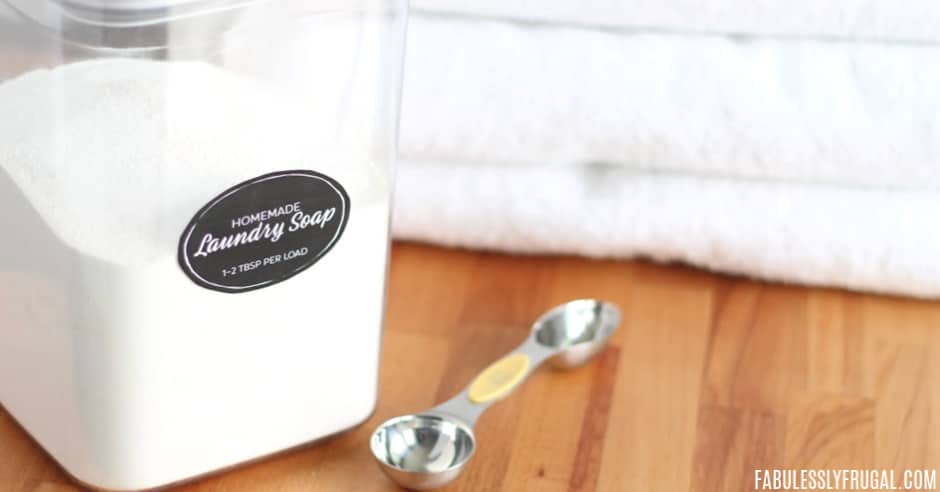
The Best Homemade Laundry Soap Recipes
Do you want to know how to save BIG money on laundry soap? Well, it’s quite easy really — all you need to do is learn how to make your own!
I originally learned how to make this liquid DIY laundry detergent from a friend, but it’s originally based on the Duggar laundry soap recipe, which is one of the most popular homemade laundry soap recipes around.
And if you prefer powder, it is even easier to make and one of my other friends uses it all the time! She got her recipe from The Paleo Mama.
Homemade laundry soap is super easy to make, will make your clothes smell great, and will save you lots of money!
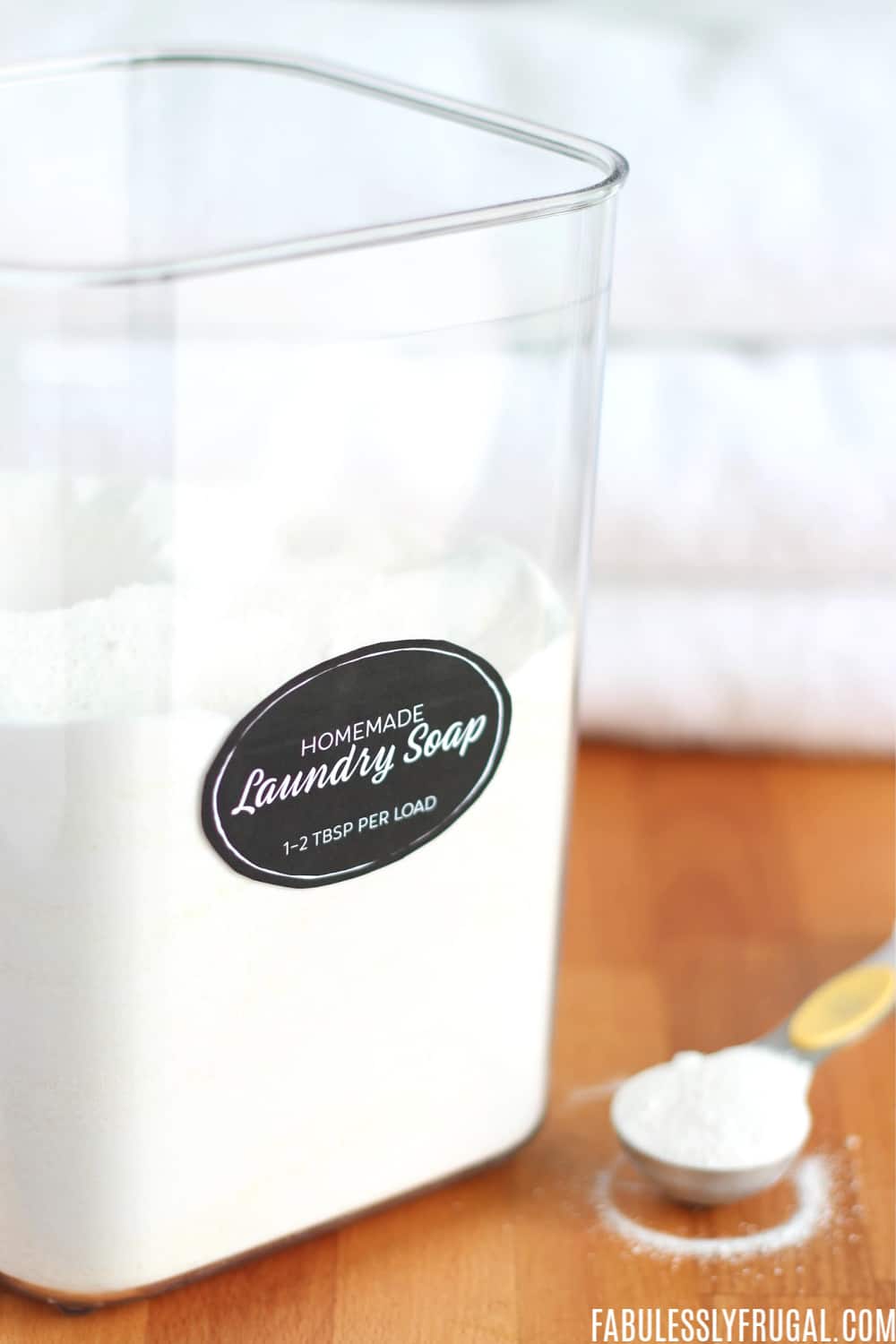
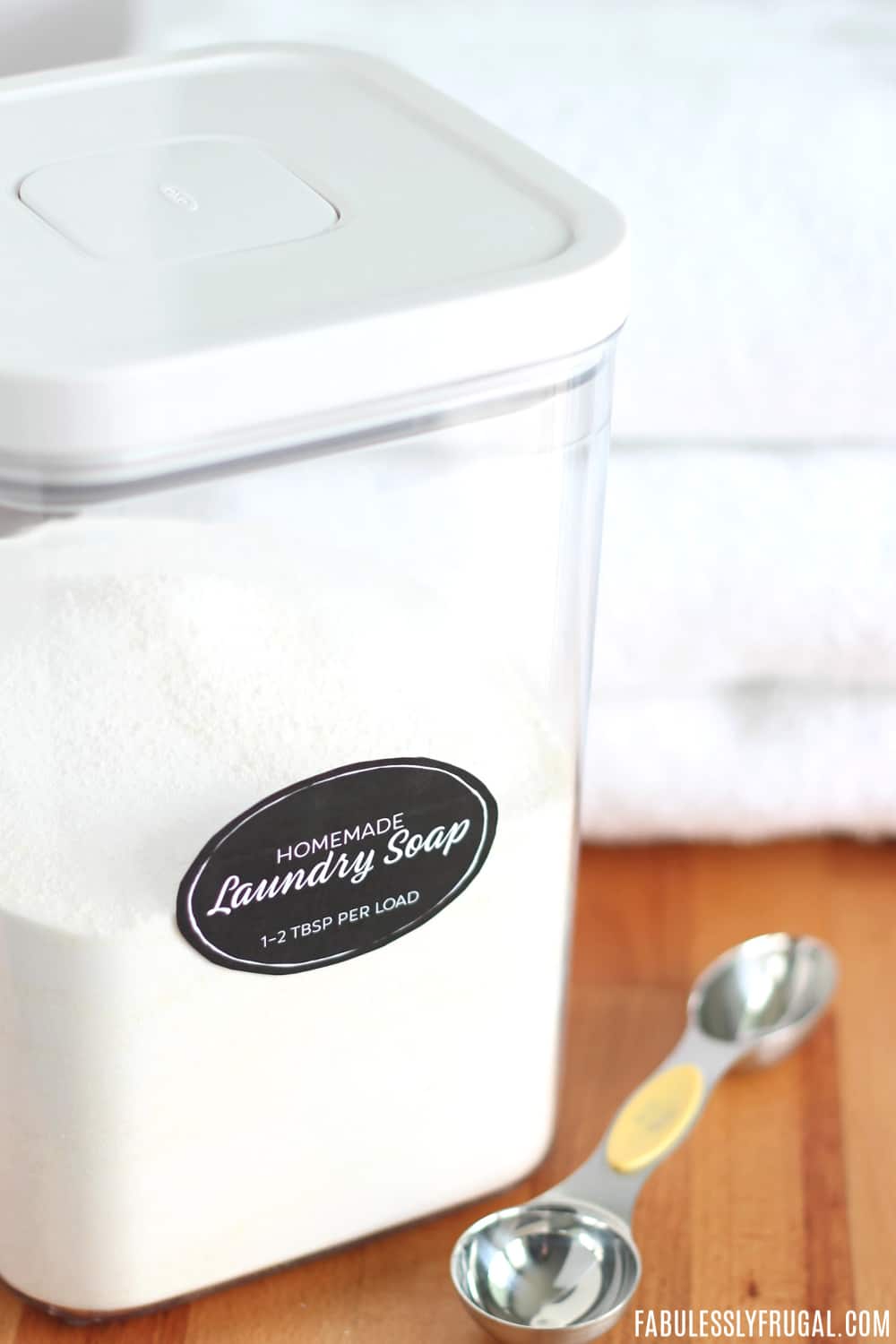
DIY Laundry Detergent Recipe (Powder Version)
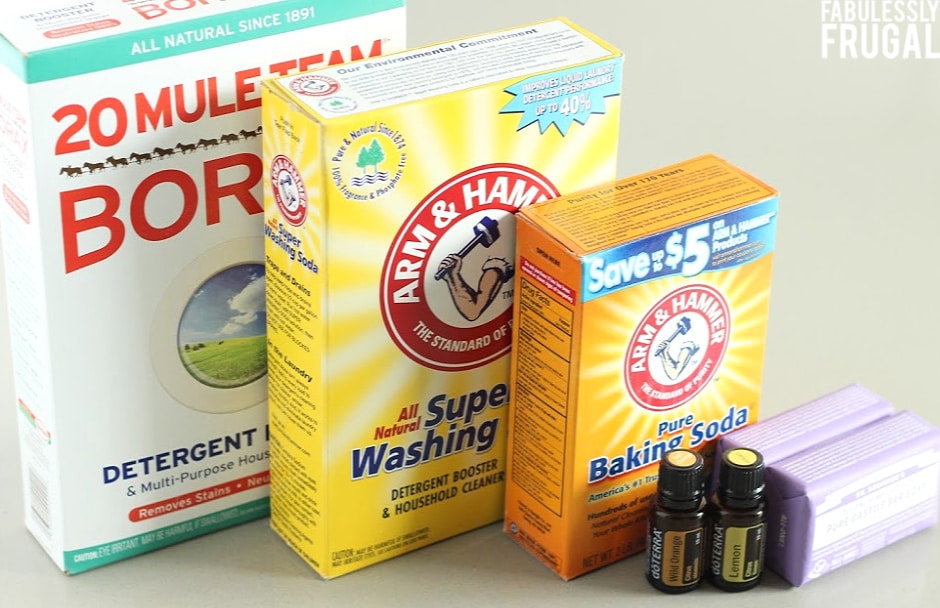
Homemade Laundry Soap Ingredients (Powder)
- 3 cups borax
- 3 cups washing soda (NOT baking soda)
- 3 cups baking soda
- 2 bars castile soap
- Optional: essential oil for scent (see tips below)
How to Make Powder Laundry Detergent
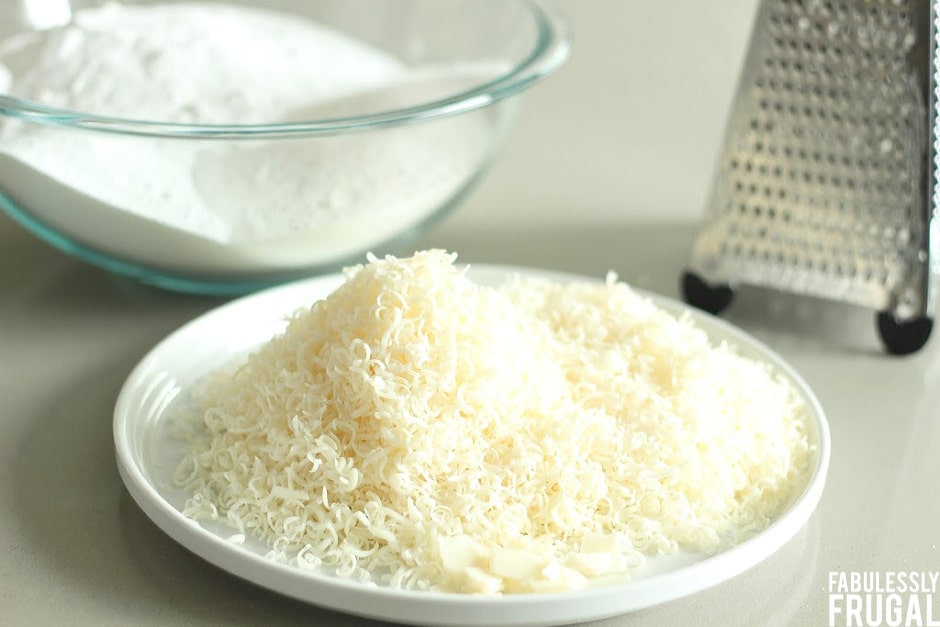
Step 1:
Start by using a cheese grater to grate or shred the bar soap. Then, in a large bowl, mix together the borax, washing soda, and baking soda.
Step 2:
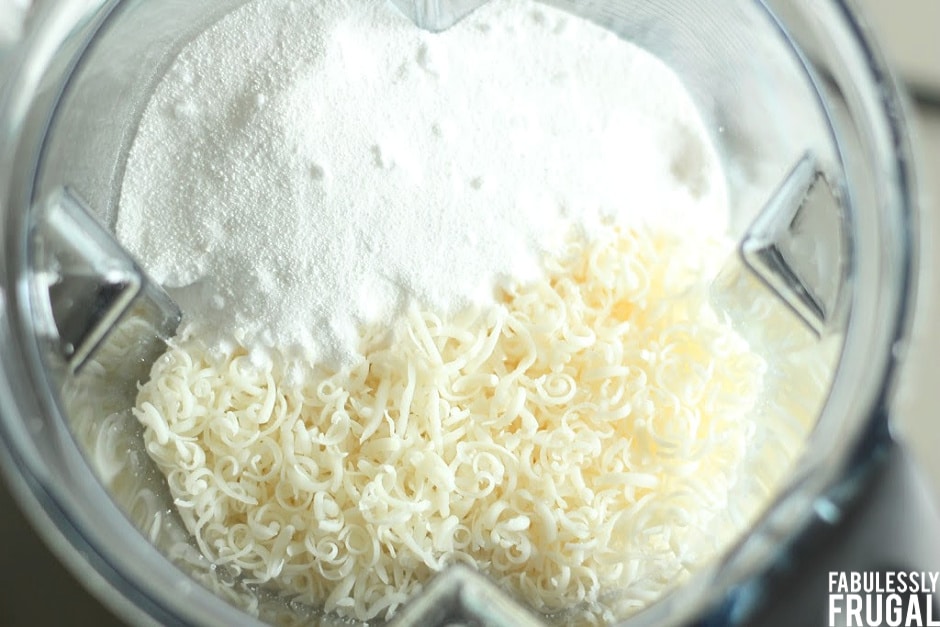
Add the grated soap and 1 cup of the borax powder mixture to a food processor or high power blender. Adding the powder mixture helps keep the soap from sticking to the blades. Blend it together until powder consistency.
Step 3:
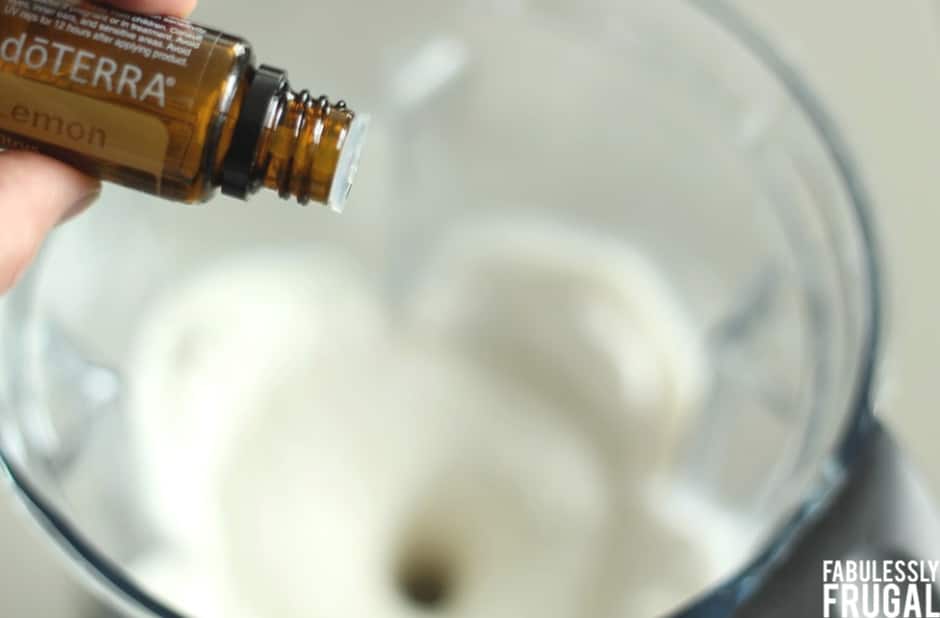
While the blender or food processor is running, add essential oil drops (optional) and allow it to blend into the mixture.
Add the soap mixture to the large bowl with the powder mixture and stir or whisk until combined.
- Yield: Powder soap recipe makes about 10 1/4 cups (about 164 tablespoons).
- Top Load Machine: 1-2 tablespoons per load (Approx. 82-164 loads)
- Front Load Machines: 1-2 tablespoons per load (Approx. 82-164 loads)
Step 4 (Optional): Adding Essential Oils to Your Homemade Laundry Soap
If you want scent, start small and adjust after you’ve used a few loads. Many people like a citrus combo (lemon + orange) or a fresh option like lavender or eucalyptus.
HE Washer Tips (Read This If You Have an HE Machine)
Important note: We have not personally done long-term testing of this recipe in every brand/model of high-efficiency (HE) washer. That said, we can share the most practical, real-world tips we’ve learned from how HE machines work and what readers commonly report.
Here’s the key difference: HE washers use less water and rely on low-sudsing formulas. This DIY recipe is a soap-based cleaner (not a commercial synthetic detergent), so the most important thing is making sure it dissolves fully and that you don’t overuse it.
If you want to try this in an HE washer, do it this way:
- Start smaller than you think: begin with 1 tablespoon (or less) for powder. If clothes come out clean, don’t increase it.
- Do not put powder in the dispenser drawer: add it directly into the drum (or pre-dissolve first).
- Grate the soap ultra-fine: big shreds are the #1 reason people see “crumbs” or residue.
- Cold-water tip: if you wash mostly cold, pre-dissolve the powder in a cup of warm/hot water first, then add to the drum.
- Hard water matters: hard water can increase residue risk with soap-based recipes. If you have hard water, use the smallest dose and consider running a washer-cleaning cycle regularly.
- Use “extra rinse” if needed: if you ever see residue, reduce the amount and add an extra rinse until it clears.
- Watch your washer: if you notice buildup, odor, or residue, stop using the DIY mix and switch back to a detergent made for HE machines.
Bottom line: Many readers do use similar DIY recipes in HE washers successfully, but correct dosing + fully dissolving the soap makes all the difference. If you want a zero-experiment option, stick with an HE-labeled detergent.
DIY Liquid Laundry Soap Recipe
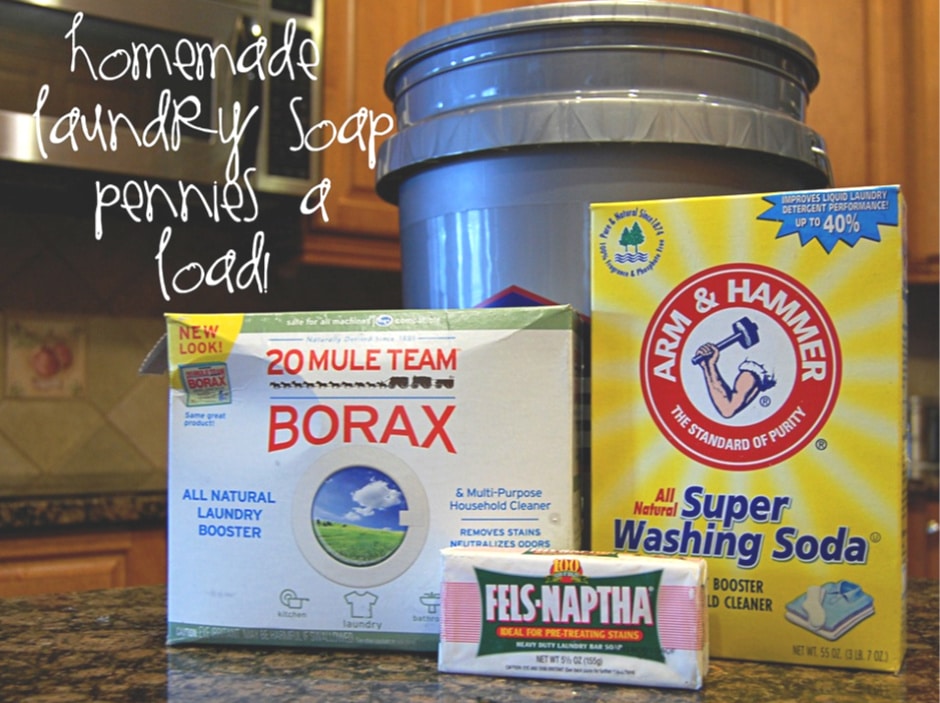
Homemade Laundry Soap Ingredients (Liquid)
- 1 bar Fels-Naptha Soap (or Ivory for sensitive skin, Pink Zote, or castile soap)
- 1/2 cup Borax
- 1 cup washing soda (NOT baking soda)
- 5-gallon bucket and lid
How to Make DIY Liquid Laundry Detergent
Start again by grating your bar of soap. Then, add your grated soap to a saucepan with 4 cups of water. Stir continually over medium-low heat until soap dissolves and is melted.
Next, fill a 5-gallon bucket half full of hot tap water and add your melted soap, washing soda, and borax. Stir well until all the powder is dissolved. Then fill the bucket to the top with more hot water, stir, cover, and let sit overnight to thicken.
After it has thickened overnight you can put it in the dispenser of your choice. It is very thick and gel-like, so use a big spoon to stir it. I use a measuring cup and funnel to put equal parts of soap and hot water into the old detergent bottle, and then just shake it up and you’re are ready to go!
You can also try adding essential oils to the soap after it is cooled (optional).
- Yield: Liquid soap recipe makes 5 gallons.
- Top Load Machine: 5/8 Cup per load (Approx. 180 loads)
- Front Load Machines: ¼ Cup per load (Approx. 640 loads)
One batch of this liquid laundry soap lasts a whole year which adds up to almost $200 in savings for my family (we go through a lot of laundry detergent).
Questions Readers Ask (HE, Vinegar, Concentrate + More)
Will this gum up spray jets or damage an HE washer over time?
It’s a smart concern. Because HE machines use less water, the biggest risk is residue/buildup from using too much or from soap that isn’t finely grated and fully dissolved. If you try it in an HE washer, start with 1 tablespoon or less, add it to the drum (not the dispenser), and reduce immediately if you see residue.
My friend said this left crumbs or residue. What causes that?
That usually happens when soap doesn’t dissolve completely — especially in cold water, quick cycles, or when the soap shreds are too large. Grate the soap very fine, use less detergent, and consider pre-dissolving the powder in warm water.
Can I add vinegar to the rinse? How much?
Many readers like adding vinegar to the rinse cycle, especially if they’re trying to reduce residue. A common range is 3/4 cup to 1 cup in the fabric softener dispenser. Start small and adjust based on your machine and laundry needs.
Cathy previously shared this helpful resource about using vinegar for washing machine cleaning. See it here: How to Clean Your Washing Machine with Vinegar.
Can I make the liquid version more concentrated?
You can experiment with less water, but you’ll want to keep your dosing consistent (less water usually means using less per load). Because water hardness and washers vary, start small and adjust.
My liquid batch didn’t thicken. What should I do?
That can happen! Let it sit another 12–24 hours and stir again. Some readers also blend it briefly (an immersion blender works great) before transferring to containers. Temperature can affect thickening too.
How does this make “10 gallons” if you used a 5-gallon bucket?
You’re not dumb — that’s confusing. Some people treat the 5-gallon batch as a “concentrate,” then dilute into additional containers later (for example, mixing equal parts concentrate + water when refilling a jug). If you keep it as-is, you still have a usable 5-gallon batch — just stir before using.
“These tools are really practical for me—how can I get them?”
For the powder version, the most helpful tools are a cheese grater (or food processor/blender), a large mixing bowl, and an airtight container for storage. We linked a few options above in the powder steps.
Where to Buy Homemade Laundry Soap Ingredients
I can usually find all of the ingredients needed for either of these DIY laundry soap recipes at my local Kroger Store or Walmart, in the laundry aisle.
All in all, these ingredients + bucket should cost you less than $20, and will make you multiple batches of laundry soap. For convenience sake, you can find all these ingredients on Amazon, but they are cheaper at your local store.
Try making your own laundry soap and you’ll love it! It smells really good but doesn’t leave a harsh scent on your clothes. I hope you enjoy saving money with this homemade laundry soap!
No time or desire to make homemade laundry detergent?
I love a good non-toxic laundry detergent option for busy seasons. If you have an HE washer (or you just want a no-fuss option), look for detergents labeled HE and follow your machine’s dosing guidance.
More DIY Laundry Projects:
Now that you have your own DIY laundry detergent, you can try out these other DIY ideas:
- 5 Cool DIY Laundry Hamper Ideas
- How to Clean Your Front Load Washer
- Homemade Stain Remover Using Strong and Gentle Dawn Dish Soap
- Homemade Fabric Softener {Picture Tutorial}
How to Make Homemade Laundry Soap (Liquid or Powder)

Ingredients
Powder Recipe
- 2 bars Castile soap (5 oz each)
- 3 cups Borax
- 3 cups washing soda
- 3 cups baking soda
- 30 drops essential oil if you want it scented
Liquid Recipe
- 1 bar Fels-Naptha Soap (or Ivory for sensitive skin, Pink Zote, or Castile soap)
- 1/2 cup Borax
- 1 cup washing soda (NOT baking soda)
- 5-gallon bucket and lid
Instructions
Powder Instructions
- Use a cheese grater to grate or shred the bar soap.
- In a large bowl, mix together the borax, washing soda, and baking soda.
- Add the grated soap and 1 cup or the borax powder mixture to a food processor or high power blender. Adding the powder mixture helps keep the soap from sticking to the blades. Blend it together until powder consistency.
- While the blender or food processor is running, add the essential oil drops and allow it blend into the mixture.
- Add the soap mixture to the large bowl with the powder mixture and stir or whisk until combined.
- Add 1-2 tablespoons to each load of laundry. Makes about 10 1/4 cups (about 164 tablespoons).
Liquid Instructions
- Grate the bar of soap.
- Add the grated soap to a saucepan with 4 cups of water. Stir continually over medium-low heat until soap dissolves and is melted.
- Fill a 5-gallon bucket half full of hot tap water. Add the melted soap, then the washing soda and the borax. Stir well until all the powder is dissolved.
- Fill bucket to top with more hot water. Stir, cover, and let sit overnight to thicken.
- After it has thickened overnight you can put it in the dispenser of your choice. It is very thick and gel-like, so use a big spoon to stir it. I use a measuring cup and funnel to put equal parts of soap and hot water into the old detergent bottle, and then just shake it up and you're are ready to go! You can also try adding doTERRA essential oils to the soap after it is cooled.
- Makes 10 gallons. Top Load Machine: 5/8 Cup per load (Approx. 180 loads). Front Load Machine: ¼ Cup per load (Approx. 640 loads)
Notes
I often like to add about 1/4 cup of white vinegar to the laundry load as a fabric softener.
Trending Diys



Comments
Leave a Reply
More Related Diys






Trending DIY Projects
- DIY
- Recipes
- Deals
- Blog








Report a Problem
Please select the problem you are facing with this deal:
- Price Increased
- Price Decreased
- No longer available
- Expired
- Link doesn't work
- Suggestion
- Compliment
- Other
Add more details:
Thank you for your feedback. We really appreciate it.
Enter your email address if you would like to receive a follow up.
Please Try Again
Thanks for providing the email address.
We will reach out to you as soon as possible.


Popular


Recommended


About Us

At Fabulessly Frugal, our goal is to help you live HEALTHY, WEALTHY, and WISE! My team and I work hard to bring you the best, online deals, clean eating, DIY's, freezer meal recipes, and more! I LOVE coaching and inspiring people to improve their health in my fitness challenge! You should also check out my favorite cleanse! Learn more about me and the rest of my team.


Copyright © 2008–2026
Fabulessly Frugal: A Coupon Blog Sharing Gift Ideas, Amazon Deals, Printable Coupons, DIY, How to Extreme Coupon, and Make Ahead Meals. All rights reserved
This absolutely sense like a no-brainier for saving tons of money. My only concern is how it works in high efficiency washers. Will it gum up spray jets over time?
I’m pretty excited to give this a try. I’m purchasing a house soon, and as a single man I need to find places too save money where I can. Good I found this site.
This is a great question. It would be nice if the author would respond to the questions posted on their site about what they are promoting. I would also love to save money on laundry detergent AND stop using toxic chemicals, but to not damage my hE machine.
Hi Drew and Helen —
So sorry we missed your comment, Drew! You’re absolutely right to ask about HE washers. This post was originally written before we owned an HE machine, and because HE washers use less water and shorter cycles, soap-based recipes can behave differently than commercial HE detergents.
We’ve updated the post with specific tips for HE use — including starting with a very small amount, adding it directly to the drum, and watching for buildup. Correct dosing makes all the difference with these machines.
Thank you both for bringing this up — it’s helpful for other readers too!
I have a friend who’s made a very similar homemade laundry soap, and really liked it, but it did leave some sort of crumbs behind after washing – she said the solution was to pour in some vinegar. But she wasn’t clear on the quantities; are you familiar with that phenomenon, and have you ever added vinegar to the rinse? If so, how much do you recommend?
Thank you!!
Hi Mercy, I haven’t heard about this so I am unsure about the amounts to use. I’m sorry I couldn’t help you more! But, I found this article online about using vinegar to clean your washing machine. https://www.thekitchn.com/natural-washing-machine-cleaner-vinegar-22924103. Hopefully this will help you!
Found this on another site………………..At that time, the majority of recipes online called for a bar of fels naptha, washing soda, and Borax. But there was one problem: our clothes came out with chalky white spots.
So I made a simple swap: liquid Dr. Bronner’s castile soap instead of the fels naptha soap bar. With this one change, the detergent worked just as good as Tide. Hope it helps.
Mercy, use 3/4 to a cup. Add it the softener dispenser on your washing machine. Vinegar helps to remove soap residue and I’ve been doing this for several decades now.
I just found your site and this recipe. I’m going to make some. I’m wondering if this can be made more concentrated. If I only put half the amount of water and use half the amount per load is it just as good?
Thanks
Hi just made the liquid laundry soap and it didn’t thicken up at all. It’s still super watery like itbwas when I put the lid on.
Try putting plastic wrap over the top then add the lid and let it sit for another day. My batches always have a small layer of water on the top. I use an immersion blender and mix little by little then transfer my concentrate to other storage containers.
How does this make 10 gallons of you filled a 5 gallon bucket? I feel super dumb asking this.
Don’t feel bad. This stuff is concentrated so once you have your 5 gallon bucket ready transfer in to other containers and label it as concentrate. When you’re ready to refill your laundry soap container use equal parts water and your concentrate.
These tools are really practical for me—how can I get them?